Looking ahead to 2026, we're probably gonna see some pretty wild shifts in logistics and material handling, especially with new tech in conveyor belt loaders. The freight industry is expected to grow around 4.3% each year, which really highlights how crucial it is to have efficient loading systems in place. For companies like Flexicon and Hytrol, staying ahead by adapting to these changes isn’t just smart — it’s essential. The demand for smarter, more efficient conveyor belt loaders is fueling innovations that could seriously boost productivity and slash costs.
Tech trends like IoT and AI are really shaking things up too. They’re making it possible to track loads in real time and even predict maintenance needs before things break down. Some reports from industry watchers like Grand View Research say that automated systems could cut labor costs by as much as 30%. Of course, all this rapid tech growth also brings challenges — mainly around keeping safety and reliability intact, which isn’t always easy.
Even with all this exciting potential for better efficiency, switching to these new conveyor systems isn’t a decision to take lightly. Companies really need to think carefully about the costs and risks involved. Sure, aiming for perfect automation is great, but sometimes the reality doesn’t quite match the hype — there can be a mismatch between expectations and what actually works. So, staying flexible and ready to adapt might actually be the key here, helping businesses grow while managing these inevitable hurdles.

Emerging Technologies in Conveyor Belt Loader Design for 2026
In 2026, innovative technologies are set to reshape the design of conveyor belt loaders. The focus is on enhancing efficiency and reducing operational costs. Emerging automation solutions, like AI-driven loading systems, are gaining traction. These systems can adapt to varying luggage sizes and weights in real time, ensuring optimized performance. Reports indicate that such technologies could boost operational efficiency by over 30%.
Additionally, sustainability plays a crucial role in the development of the Luggage Conveyor Belt Loader. Manufacturers are increasingly using eco-friendly materials, such as recycled plastics and metals. These choices can significantly reduce their carbon footprint and operational waste. Statistics reveal that companies adopting green technologies witness a 20% reduction in energy consumption.
However, integrating these technologies isn't without challenges. Many companies struggle with implementation due to high costs. There's a gap between innovation and practical application. While the future is promising, firms must carefully assess their readiness for such a transition. Existing legacy systems may hinder advancements unless proper strategies are adopted. Addressing these hurdles is essential for a smooth transformation in the conveyor belt loader industry.
2026 Top Trends in Wholesale Custom Conveyor Belt Loader Innovations
Key Innovations Driving Efficiency in Wholesale Conveyor Systems
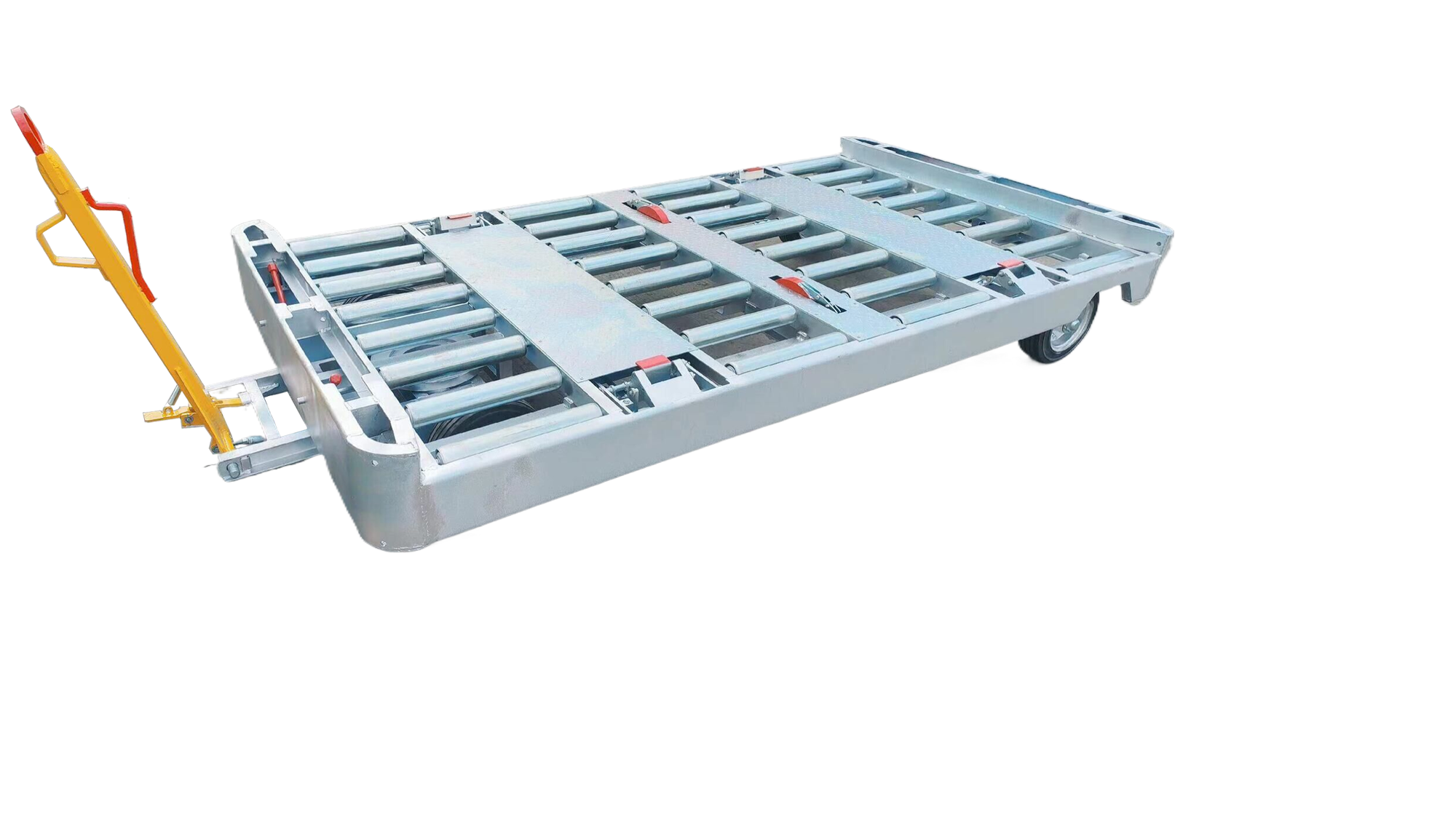
In 2026, innovations in wholesale conveyor systems are reshaping efficiency. One standout is the
Towable Conveyor Belt Loader.
This loader enhances mobility, reducing downtime in loading and unloading processes. Operators appreciate its easy maneuverability.
Yet, challenges remain in optimizing its design for various environments.
Automation features are another key innovation. These systems streamline operations, allowing for better tracking of materials.
While they promote efficiency, some users report a learning curve. Proper training is essential for maximizing their potential.
Implementing reliable safety mechanisms is also crucial. Safety should never be an afterthought.
Sustainability is increasingly crucial in conveyor systems. Many manufacturers are exploring eco-friendly materials.
Despite this, achieving balance between performance and eco-friendliness can be tricky. The industry still grapples with integrating new technologies
into established processes. It's a hard journey, but necessary for future growth. The evolution of these innovations signals significant change
in the industry ahead.
Sustainability Trends in Custom Conveyor Belt Loader Manufacturing
The rise of sustainability in custom conveyor belt loader manufacturing is undeniable. Companies are increasingly focusing on eco-friendly materials. This switch aims to reduce the carbon footprint. Biodegradable plastics and recycled metals are gaining traction. These materials are not only sustainable but also cost-effective.
Innovative design plays a crucial role. Manufacturers are exploring modular systems that minimize waste. Such designs allow for easy upgrades and repairs. This strategy extends the lifecycle of conveyor loaders, which is vital in reducing environmental impact. However, challenges remain. Not all manufacturers are equipped to adapt to these changes. Resources and training are essential for this transition.
Consumer awareness is also driving change. Many clients prioritize sustainability when choosing suppliers. This shift in demand pushes manufacturers to innovate continuously. Yet, some companies still resist change due to costs. Striking a balance between innovation and affordability is crucial. It’s a complex challenge that requires reflection and action from the industry.
Integration of IoT in Conveyor Belt Loader Operations
The integration of IoT in conveyor belt loader operations is a transformative trend.
Self Propelled Conveyor Belt Loaders
are evolving into smart machines. These loaders are now equipped with sensors and communication devices. They collect
real-time data, enabling better decision-making.
Monitoring performance metrics is easier with IoT. Operators can track speed,
load weight, and maintenance needs. This reduces downtime and increases
efficiency. Yet, there are challenges. Data overload can overwhelm teams.
Not all staff are trained to analyze this data effectively.
Real-time insights may not always lead to immediate action.
Security concerns also arise with IoT integration. Protecting
sensitive operational data is crucial. Cyber threats could disrupt operations.
Balancing technology use with safety is essential. Therefore, careful planning is required when implementing these innovations.
The potential is vast, but so are the risks.
Safety Enhancements in Conveyor Belt Loader Innovations
The conveyor belt loader industry is evolving. Safety enhancements are at the forefront of these innovations. Manufacturers are focusing on minimizing risks during operation. This involves better designs that reduce accidents and injuries.
One notable trend is the development of advanced sensors. These sensors detect potential hazards, alerting operators in real time. They can identify when someone is too close to moving parts. Additionally, emergency stop features are becoming more intuitive. Operators can now react swiftly in critical situations.
Despite these advancements, challenges remain. Some safety technologies may not be foolproof. Human error still plays a significant role in incidents. Ongoing training remains essential for operators. A culture of safety needs constant reinforcement. Investing in better systems is wise, but it must be paired with responsible usage.
Customization Options for Diverse Industry Needs in 2026
In 2026, customization in conveyor belt loaders is set to reshape various industries. Manufacturers are looking for tailored solutions. These adjustable systems can meet specific operational needs. For instance, a food processing plant may require hygiene-focused materials. On the other hand, automotive industries may need robust, heavy-duty options. The choices are diversifying.
Customization can also enhance efficiency. However, it poses challenges. Not all designs are easy to implement. Sometimes, the chosen material may not perform as expected. Flexibility is crucial, but it raises questions. Is the cost of tailored solutions justified? Managers must weigh these factors carefully. Failure to do so can lead to wasted investment.
Furthermore, some users find the variety overwhelming. They may struggle to choose the right features. This can lead to inconsistency in operations. A one-size-fits-all approach no longer works. It's essential for companies to clearly define their needs. This helps vendors offer suitable options. Balancing between custom features and functionality is vital for success.
2026 Top Trends in Wholesale Custom Conveyor Belt Loader Innovations
| Trend |
Customization Options |
Industry Application |
Technological Innovation |
Expected Impact |
| Smart Sensors Integration |
Real-time monitoring and adjustments |
Manufacturing |
IoT Technology |
Increased efficiency and reduced downtime |
| Modular Design |
Interchangeable components |
Logistics |
Flexible conveyor configurations |
Cost savings and adaptability |
| Eco-friendly Materials |
Biodegradable and recyclable options |
Food and Beverage |
Sustainable sourcing |
Reduced environmental footprint |
| Automated Loading Systems |
Customizable loading speeds |
Warehousing |
Robotics |
Increased throughput and labor reduction |
| AI-driven Analytics |
Custom data reports |
Retail |
Machine learning algorithms |
Enhanced decision-making capabilities |
Future-Proofing Conveyor Belt Loaders: Trends and Considerations
In the evolving landscape of logistics, conveyor belt loaders are seeing transformative innovations. Many industries are focusing on automation to boost efficiency.
Self Propelled Luggage Conveyor Belt Loaders are at the forefront of this trend. They offer mobility and flexibility, adapting easily to various loading tasks.
As businesses look toward the future, it’s crucial to consider sustainability. Eco-friendly materials are becoming essential in manufacturing processes. Some companies are grappling with limited resources while striving for greener options.
Efficient energy usage in conveyor systems reduces operational costs, yet not all businesses prioritize this. It's crucial to understand the balance between cost and environmental impact.
Tech integration is another major trend. Real-time monitoring systems enhance performance and reduce downtime. Yet, many organizations find it challenging to keep pace with rapid advancements.
Employee training often lags behind technology upgrades. A well-prepared workforce is essential for leveraging new tools effectively. Investing in training could reopen doors to possibilities.
Maximizing Efficiency in Material Handling: A Data-Driven Analysis of the CD-BL80 Self-Propelled Conveyor Belt Loader
The CD-BL80 Self-Propelled Conveyor Belt Loader stands at the forefront of material handling solutions, specifically designed for efficient aircraft cargo and luggage service in airports. This cutting-edge model integrates advanced technology from both China and Western countries, resulting in a universally applicable design that ensures reliability and effectiveness in high-demand environments. Its intelligent configuration allows operators to efficiently manage the loading and unloading process, significantly enhancing overall operational efficiency.
One of the standout features of the CD-BL80 is its user-friendly design, which simplifies operation and maintenance. The robustness of its construction, championed by mature vehicle parts, minimizes downtime and maximizes productivity, addressing the critical need for reliability in airport logistics. By adopting a data-driven analysis framework, users can track performance metrics to further optimize handling processes and adapt to varying cargo demands seamlessly. This model is not just an investment in equipment but a strategic asset for modern material handling in the aviation industry, ensuring that services run smoothly and efficiently.
FAQS
: The Towable Conveyor Belt Loader improves mobility and reduces downtime during loading and unloading.
Optimizing designs for different environments can be difficult. Adaptations may be needed for specific uses.
These features streamline operations and improve material tracking, but they require proper training to use effectively.
Manufacturers aim to minimize risks and accidents, ensuring operators can work without unnecessary injuries.
These sensors detect hazards and alert operators, helping to prevent accidents in real-time.
Some of these technologies may not be completely reliable, and human error still contributes to incidents.
Constant training and reinforcement of safety principles are essential for maintaining a culture of safety at the workplace.
Many are investigating sustainable materials, though balancing performance with eco-friendliness is challenging.
It ensures that operators can effectively use new technologies and respond appropriately to safety features.
The industry struggles with adapting established processes to accommodate advancements without compromising performance.
Conclusion
The article "2026 Top Trends in Wholesale Custom Conveyor Belt Loader Innovations" explores the latest advancements in conveyor belt loader technology, highlighting emerging design technologies and key innovations that enhance operational efficiency in wholesale conveyor systems. Notably, trends in sustainability are reshaping the manufacturing processes for custom conveyor belt loaders, focusing on eco-friendly materials and energy-efficient designs.
Additionally, the integration of IoT within conveyor belt loader operations is revolutionizing data management and real-time monitoring, ensuring safer and more efficient workflows. The article also discusses the customization options available to meet the diverse needs of various industries, emphasizing how these innovations are future-proofing conveyor belt loaders for the challenges ahead. With a strong focus on safety enhancements and adaptability, the conveyor belt loader industry is poised for significant growth and transformation in 2026.

 Products


