In the fast-changing world of technology, *2025 Top ASU Digital Innovations Shaping the Future of Technology* really shows how Arizona State University is pushing the boundaries with creativity and progress. Dr. Jennifer Rodriguez, a well-known expert in digital innovation, points out just how big of an impact these advances have. She says, 'Innovations from ASU not only define where technology is headed, but they also inspire the next generation to dream even bigger.' That pretty much sums up what drives ASU — creating a space where bold ideas can take off.

Looking ahead to 2025, it’s clear that ASU is on the cusp of changing the game in how we use and think about tech. They’re working on everything from weaving artificial intelligence into our daily routines to leading the way with eco-friendly tech solutions. These developments aren’t just fancy buzzwords; they’re set to make our everyday lives better and shake up entire industries. Basically, ASU is playing a huge role in shaping the future of technology worldwide.
And it’s not just about the tech itself. The way ASU teams up with industry players helps turn big ideas into real-world stuff, blending theory with practice. This vibe of innovation is really encouraging for students and researchers alike. The future’s looking pretty exciting—and with ASU leading the way, we’re bound to see some pretty amazing breakthroughs that could change how society functions at its core.
Emerging AI Technologies Transforming Industries by 2025
As we approach 2025, emerging AI technologies are poised to dramatically transform various industries, including aviation and logistics. Companies like
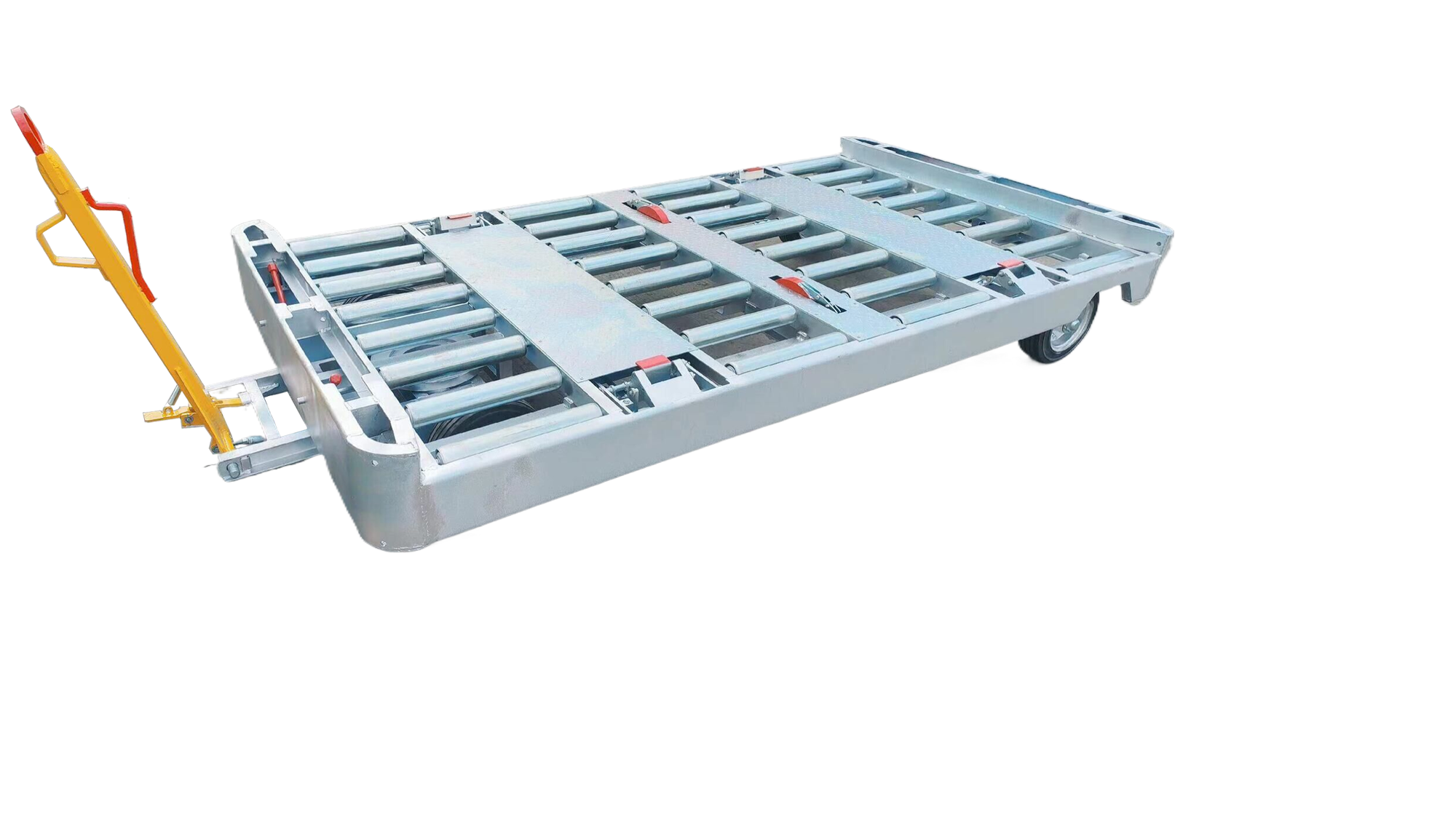
Shanghai Chidge Industries Co., Ltd., which has been at the forefront of aviation ground equipment for over two decades, are recognizing the importance of integrating innovative solutions into their operations.
The implementation of AI-powered systems can enhance efficiency in airport operations and streamline logistics processes, ultimately leading to improved service delivery for airlines and clients.
 Moreover, the continuous evolution of AI technologies will enable predictive analytics, optimizing equipment maintenance schedules, and improving resource allocation. For a company like Shanghai Chidge, embracing these innovations not only reinforces its commitment to quality assurance but also positions it as a leader in adapting to technological advancements. By leveraging AI to enhance operational capabilities, Shanghai Chidge Industries can meet the growing demands of a rapidly changing marketplace, ensuring that it remains competitive and responsive to industry needs by 2025.
The Role of Quantum Computing in Future Innovations
Quantum computing is poised to revolutionize the landscape of technology by enabling breakthroughs that were once thought impossible. By harnessing the principles of quantum mechanics, these advanced systems can perform complex calculations at speeds exponentially faster than traditional computers. This capability opens doors to innovations across various fields, including cryptography, pharmaceuticals, and artificial intelligence. As organizations like ASU continue to invest in quantum research, the potential for developing new algorithms tailored specifically for quantum environments becomes increasingly tangible.
At ASU, interdisciplinary collaborations are vital for integrating quantum computing into practical applications. Researchers are exploring ways to leverage quantum technology to enhance data processing, optimize networks, and solve intricate problems that impact daily life. By incorporating quantum principles into existing digital frameworks, ASU is not only shaping technological advancements but also preparing the workforce of the future. As these innovations unfold, they will redefine industries and empower new levels of efficiency and creativity, cementing quantum computing's role as a cornerstone of future technological progress.
Sustainable Tech Solutions Shaping Environmental Preservation
As the world moves toward a more sustainable future, digital innovations play a crucial role in enhancing environmental preservation. In 2025, advancements from institutions like ASU are expected to revolutionize sustainable technologies. According to a recent report by the International Energy Agency, investments in clean energy technologies are anticipated to reach $1.5 trillion by 2025, indicating a strong shift towards innovative solutions that address climate challenges. These technologies not only aim to reduce greenhouse gas emissions but also enhance energy efficiency across various sectors.
At Shanghai Chidge Industries Co., Ltd., our commitment to technological innovation aligns with these trends. With over 20 years of experience in providing aviation ground equipment, we focus on integrating sustainability into our operations. By investing in eco-friendly equipment and advancing our logistical processes, we contribute to the reduction of our industry's carbon footprint. The adoption of sustainable tech solutions not only benefits the environment but also ensures higher quality and efficiency in our services to airlines and airports. As the industry embraces these innovations, we are poised to meet the demands of tomorrow, ensuring that our technological advancements are part of a broader commitment to environmental stewardship.
2025 Top ASU Digital Innovations Shaping the Future of Technology - Sustainable Tech Solutions Shaping Environmental Preservation
| Innovation |
Description |
Impact on Sustainability |
Projected Year of Implementation |
| Smart Water Management System |
A digital platform utilizing IoT for monitoring and managing water usage. |
Reduces water waste by 30% through real-time data analysis. |
2025 |
| AI-Powered Waste Sorting |
An AI system that sorts recyclables from waste with high accuracy. |
Enhances recycling rates by 50%, minimizing landfill waste. |
2024 |
| Renewable Energy Management Software |
A software solution for optimizing the use of renewable energy sources. |
Increases efficiency of energy use by 40%, promoting clean energy adoption. |
2026 |
| Carbon Footprint Tracker |
An application that helps individuals and businesses track their carbon emissions. |
Aids in reducing personal carbon footprints by 25%. |
2025 |
| Eco-Friendly Supply Chain Solutions |
A digital platform ensuring sustainable sourcing and distribution. |
Reduces carbon emissions in supply chains by 30%. |
2025 |
Advancements in Cybersecurity for a Safer Digital Future
As we look toward 2025, advancements in cybersecurity are set to significantly enhance digital safety across all sectors. According to the latest report by Cybersecurity Ventures, global cybercrime will cost businesses over $10.5 trillion annually by 2025, emphasizing the urgent need for robust security measures. Arizona State University (ASU) is at the forefront of developing innovative solutions to combat these increasing threats, integrating artificial intelligence and machine learning to create adaptive security systems that can anticipate and neutralize potential attacks before they can cause harm.
Moreover, ASU's initiatives in research and development play a crucial role in educating the next generation of cybersecurity professionals. The university's Cybersecurity program has seen a 25% increase in enrollment over the past three years, reflecting the growing demand for skilled experts in this field. Furthermore, a recent study by the Ponemon Institute highlighted that organizations with a strong cybersecurity awareness culture demonstrate 50% fewer security incidents. This statistic underlines the importance of not only technological advancements but also the cultivation of an informed workforce capable of navigating an increasingly complex digital landscape.
The Impact of 5G Connectivity on Smart Cities
The advent of 5G connectivity is poised to revolutionize the development of smart cities, enhancing both urban living and operational efficiencies. With drastically improved data transfer speeds and lower latency, 5G enables real-time communication between devices, facilitating a seamless integration of technology into urban infrastructure.
Smart traffic systems can adjust dynamically to congestion, while public safety services leverage instant data sharing to enhance emergency responses.
Tips for implementing 5G in smart cities include prioritizing robust cybersecurity measures to protect sensitive data and fostering partnerships with technology providers to ensure seamless integration of services. Additionally, engaging with community stakeholders can lead to a better understanding of local needs, ensuring that technology solutions are both effective and widely accepted.
Moreover, the environmental impact of smart city technologies can be significantly mitigated through 5G’s efficiency. Electric grids can optimize energy consumption, and smart waste management systems can reduce costs and environmental footprint. To effectively harness these benefits, city planners should consider the long-term scalability of their technology choices, ensuring that innovative solutions can evolve alongside growing urban populations.
Revolutionizing Education with Augmented and Virtual Reality
Augmented and Virtual Reality (AR/VR) technologies are set to revolutionize education, reshaping how students engage with learning materials. According to a recent report by TechNavio, the global AR and VR in the education market is expected to grow by approximately 45% annually, reaching a valuation of over $12 billion by 2025. This surge is largely driven by educational institutions' increasing integration of immersive learning experiences, which have been shown to enhance student understanding and retention by up to 75%.
Institutions like Arizona State University (ASU) are at the forefront of this transformation, employing AR and VR to create interactive learning environments that accommodate diverse learning styles. For instance, a study by PwC found that students using VR for education learn four times faster than in traditional classrooms and complete their training with 80% more confidence. ASU's innovative approaches not only emphasize the tactile aspects of learning through simulations but also provide real-world applications that prepare students for the evolving job market. As we move closer to 2025, these digital innovations promise to make education more engaging, effective, and accessible to all.
2025 Top ASU Digital Innovations Shaping the Future of Technology
This chart illustrates the expected impact of various digital innovations in revolutionizing education through Augmented and Virtual Reality by 2025. The data reflects student engagement levels, learning outcomes, and access to resources.
Conclusion
The article "2025 Top ASU Digital Innovations Shaping the Future of Technology" explores groundbreaking advancements that are set to redefine various industries by 2025. Key areas of focus include the transformative impact of emerging AI technologies, which are revolutionizing operational efficiency across sectors. Quantum computing is highlighted as a catalyst for future innovations, unlocking unprecedented capabilities. Additionally, sustainable tech solutions are gaining prominence, particularly in environmental preservation efforts. The article emphasizes advancements in cybersecurity, which are essential for ensuring a secure digital landscape, and discusses how 5G connectivity will enhance smart city infrastructure. Lastly, the integration of augmented and virtual reality in education signifies a shift towards more immersive learning experiences.
For companies like Shanghai Chidge Industries Co., Ltd., which has a longstanding commitment to technological innovation within the aviation ground equipment sector, these ASU-driven developments are critical. As the industry evolves, staying at the forefront of these digital trends can significantly enhance service offerings to airlines, airports, and logistics companies.

 Products


