Leave Your Message
*Name Cannot be empty!
* Enter product details such as size, color,materials etc. and other specific requirements to receive an accurate quote. Cannot be empty
0%

Pallets are a total game-changer when it comes to shipping and storage. Honestly, they make moving and organizing goods so much easier and safer. I remember logistics whiz John Smith from Pallet Solutions once saying, 'Without pallets, shipping would be a total mess—chaotic and way less efficient.' And honestly, he's got a point. Pallets really help keep everything in order. They’re great for stacking up merchandise and squeezing the most out of warehouse space. When you’ve got a solid system with pallets, loading and unloading can go a lot smoother. Like, using a 7t Pallet Dolly is a perfect example—it's a simple tool that can save you a ton of time and hassle. But sadly, not every company pays enough attention to proper pallet management. Cheap or damaged pallets can actually lead to goods getting damaged, which is the last thing you want.

Investing in quality pallets isn’t just some extra cost—it’s actually a smart move. Choosing the right ones with a bit of care can seriously boost how smoothly everything runs. Sometimes, though, companies overlook this and don’t see how crucial proper pallet use is for the whole supply chain. If you really understand that connection, you’ll probably make better choices, which means better results all around.

Why Are Pallets Essential for Shipping and Storage?

What Are Pallets and Their Types in Shipping and Storage?

Why Are Pallets Essential for Shipping and Storage?

Pallets play a vital role in shipping and storage. They are essential for efficient movement of goods. There are several types of pallets used in the industry. Wooden pallets are among the most common. They are durable and cost-effective. According to a market report, the wooden pallet segment holds approximately 90% of the market share. This dominance highlights their importance for many businesses.

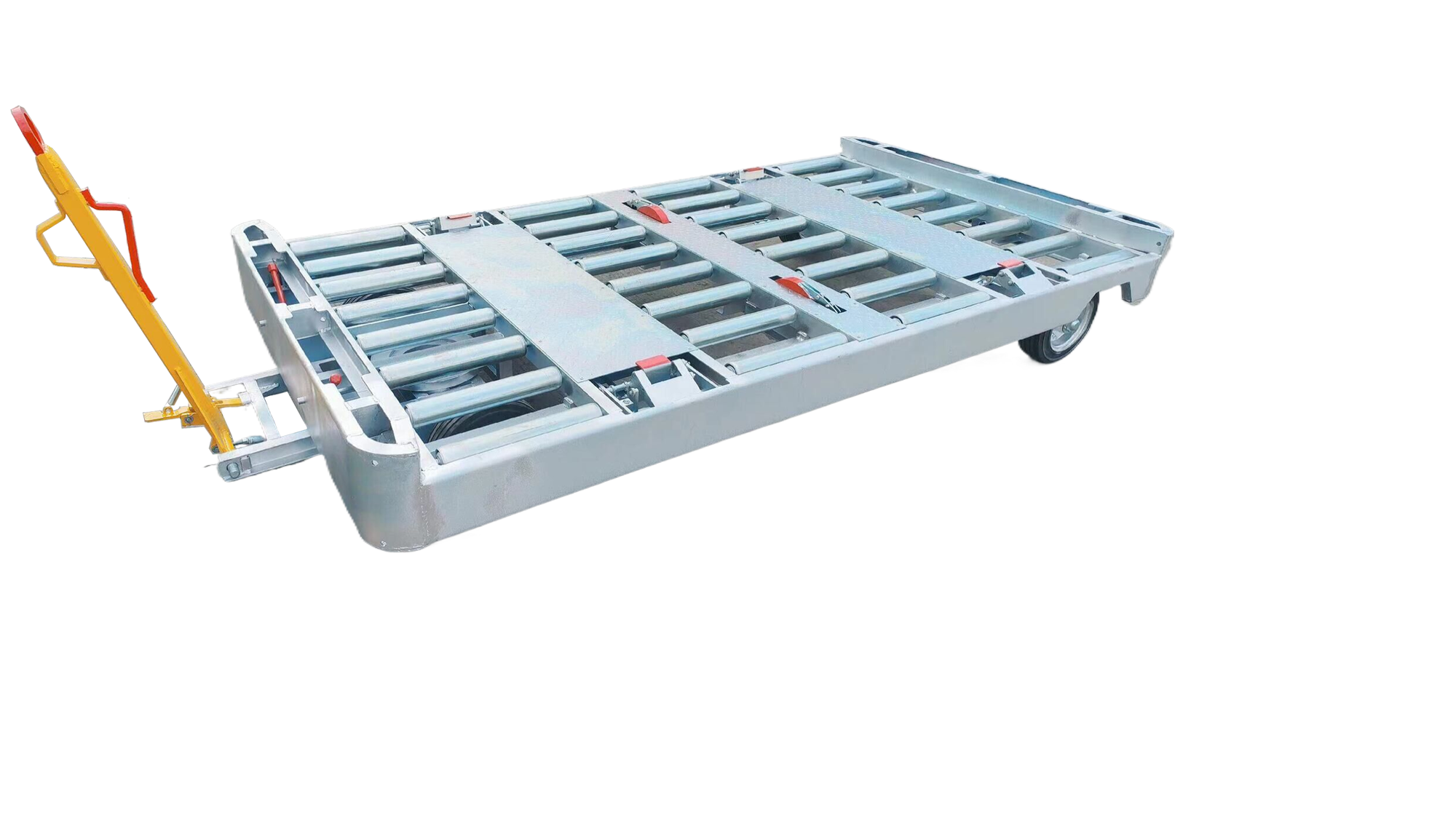
Plastic pallets are gaining popularity due to their lightweight properties. They are easier to clean and handle. Additionally, metal pallets provide strength and durability for heavy loads. For instance, the 18t Pallet Dolly allows easy transportation of heavier pallets without manual strain. Businesses must assess their needs to choose the correct type of pallet.

However, challenges exist. Some pallets do not fit all shipping practices. A poorly chosen pallet can lead to damaged goods and increased costs. Companies need to consider their specific requirements and environmental impact. This reflection ensures optimal use of pallets in supply chains.

The Role of Pallets in Efficient Supply Chain Management

Pallets play a significant role in supply chain efficiency. According to the Material Handling Industry of America, around 70% of all goods shipped are transported on pallets. This statistic highlights their importance in logistics management. Proper use of pallets can streamline the shipping process, reducing transit time by nearly 35%.

However, there are challenges. Not every company optimally utilizes this tool. Some neglect the importance of pallet quality. Poor-quality pallets can lead to damage during transport. This not only affects products but can also increase costs.

On the inventory side, pallets aid in storing goods. They provide a stable base, making stacking easier. But warehouse space can sometimes be wasted due to poor pallet management. The lack of standardized sizes can result in inefficient storage practices. This is a common issue faced by many businesses today. Scalability in these operations requires frequent assessment and adaptation.

Benefits of Using Pallets for Shipping and Storage Solutions

Pallets play a crucial role in shipping and storage. They provide a stable platform for products, simplifying the movement of goods. This is especially true with tools like a "10” Pallet Dolly." It enables quick transport, making loading and unloading more efficient. Heavy items can be moved effortlessly, reducing strain on workers.

Using pallets enhances space utilization. They can be stacked vertically, maximizing warehouse storage. This minimizes wasted space. However, if pallets are not properly organized, it can lead to chaos. Employees may struggle to find products, slowing down operations. Regular checks on pallet conditions are necessary to avoid mishaps.

Moreover, pallets improve safety during transport. They reduce the risk of products falling over. This is vital for fragile items. Yet, if a pallet is damaged, it poses risks. An inspection process should be in place to catch issues early. Balancing efficiency and safety is key. This ensures a smooth shipping experience and protects both products and personnel.

Impact of Pallet Quality on Load Security and Damage Prevention

Why Are Pallets Essential for Shipping and Storage?

When shipping goods, the quality of pallets matters immensely. A sturdy pallet can prevent damage during transit. Poorly made pallets may not hold weight effectively. This can lead to load shifts. Load shifts often cause a domino effect, damaging products. It’s not just about moving items; it's about securing them.

Inadequate pallets can result in losses. Some pallets may break easily. This raises concerns about safety and reliability. Investing in quality pallets is key. For example, a stack of goods on a weak pallet can fall over. This creates hazards for workers and damages products. Using a reliable "20” Pallet Dolly" can aid in moving secure loads, reducing the risk of accidents.

It's easy to overlook pallet quality when shipping. Many focus solely on speed and cost. However, this mindset often leads to future problems. Reflecting on pallet choices is necessary. Quality and stability should always come first. After all, a small oversight can lead to significant losses. Prioritize strong pallets to ensure safe transportation.

Pallet Handling Equipment: Tools for Safe and Efficient Movement

Pallet handling equipment plays a crucial role in the efficient movement of goods. These tools enhance safety and productivity in warehouses and shipping docks. Common equipment includes pallet jacks, forklifts, and straddle carriers. Each has a specific use case, and choosing the right one can be challenging.

When using pallet jacks, it’s important to ensure correct weight limits are observed. Overloading can cause equipment failures. Operators should be trained to handle loads properly. Likewise, forklifts require certification for safe operation. Mishandling can lead to accidents or injuries.

Improper maintenance of this equipment can result in downtime. Regular inspections and servicing are vital. Identifying wear and tear early can prevent costly repairs. While automation is becoming popular, human oversight remains essential. Technology may streamline processes, but nothing beats experienced operators. Balancing innovation and human skill is a valuable consideration.

Why Are Pallets Essential for Shipping and Storage?

Dimension Description Importance
Material Type Wood, Plastic, Metal Different materials serve various loads and environments.
Standard Size 48"x40" (Most Common) Universally accepted for optimal transportation efficiency.
Load Capacity Up to 2,500 lbs for standard wooden pallets Critical for ensuring safe transport of goods.
Reusability Reusable for multiple shipments Cost-effective and environmentally friendly.
Transport Methods Forklifts, Trucks, Shipping Containers Facilitates efficient loading and unloading processes.
Safety Features Non-slip surfaces, reinforced edges Enhances safety for workers handling heavy loads.

Sustainability in Pallet Production and Recycling Practices

Sustainability in pallet production is a growing concern. Many pallets are made from wood, but sourcing timber raises questions. Deforestation can harm ecosystems. Some manufacturers are using recycled materials in their production. This shift is improving environmental impact, though challenges remain. Not all pallets are created equal. The quality and durability can vary significantly.

Recycling practices also play a crucial role. Pallets that can’t be reused may end up in landfills. However, many companies focus on repurposing. Some pallets become furniture or even garden beds. Others are shredded for mulch or biomass fuel. A Pallet Dolly For Aviation needs careful consideration. The reuse of these pallets in transport can enhance sustainability.

Yet, the process isn’t perfect. The recycled materials may not be as strong. This can lead to inefficiencies in shipping. Ensuring that pallets meet safety standards can be tough. Balancing sustainability with functionality requires ongoing effort. Awareness and innovation are vital for improvement.

Future Innovations in Pallet Design and Technology for Logistics

The future of pallet design is evolving. New technology is changing how pallets are made and used. A recent industry report noted that the market for smart pallets is expected to grow by 9.4% annually through 2027. Smart pallets are equipped with sensors. They can track loads in real-time. This technology helps reduce losses and improve efficiency.

Lightweight materials are being explored. Advanced composite materials are gaining traction. They can reduce shipping costs while maintaining strength. This shift addresses the need for sustainability in logistics. Traditional wooden pallets can waste resources and are heavy. New designs aim to minimize the impact on the environment.

However, challenges remain. The transition to innovative materials is not straightforward. Many companies are resistant to change. There is a risk of supply chain disruptions during the shift. Training on new technologies is also necessary. A seamless integration isn’t guaranteed. As the market adapts, it’s crucial to balance innovation with practicality.

FAQS

: What are pallets used for?

: Pallets are essential for shipping and storage. They enable efficient movement of goods in warehouses.

What types of pallets are common?

The most common types are wooden, plastic, and metal pallets. Each type has distinct advantages and uses.

Why are wooden pallets popular?

Wooden pallets are durable and cost-effective. They account for about 90% of the market share in the industry.

What are the benefits of plastic pallets?

Plastic pallets are lightweight, easy to clean, and handle. They resist moisture and reduce contamination.

How should pallet handling equipment be used?

Equipment like pallet jacks and forklifts must be used within weight limits. Training is vital for safety.

What are the risks of improper pallet handling?

Mishandling equipment can lead to accidents or damage. Regular maintenance and inspections can prevent these issues.

How does sustainability impact pallet production?

Sourcing wood raises environmental concerns. Using recycled materials can improve sustainability but may affect quality.

What happens to unusable pallets?

Many unusable pallets end up in landfills. Others are repurposed for furniture or mulch, promoting recycling efforts.

Can recycled pallets be as effective as new ones?

Recycled pallets may not always match the strength of new ones, potentially causing inefficiencies in shipping.

Why is ongoing effort important in pallet sustainability?

Balancing sustainability and functionality needs constant innovation. Awareness helps improve recycling practices and material use.

Conclusion

Pallets play a crucial role in shipping and storage by providing a stable platform for stacking and transporting goods. Various types of pallets are available, each designed to meet specific shipping and storage needs. Their utilization significantly boosts supply chain efficiency by facilitating easier handling and organization of products. The quality of pallets directly impacts load security, helping to prevent damage during transit.

Moreover, the use of appropriate pallet handling equipment enhances the safety and efficiency of movement within warehouses and transport networks. Sustainability is also a key consideration, with advancements in pallet production and recycling practices contributing to environmental responsibility. Looking ahead, innovations in pallet design and technology promise to further optimize logistics, ensuring that pallets remain integral to effective shipping and storage solutions.

Oliver

Oliver

Oliver is a dedicated marketing professional at Shanghai Chizhou Industrial Co., Ltd., where he plays a pivotal role in driving the company’s branding and outreach initiatives. With an extensive understanding of the industry, Oliver possesses a deep expertise in the wide range of products offered......
Previous 2026 Best Tractor Trailer Towing Tips for Safe Hauling?