Picking the right Euro Container Dolly really matters if you want to make your logistics and storage runs smoother. As more industries emphasize quick and efficient handling of goods, knowing what to look for in a Euro Container Dolly can seriously boost your productivity. John Smith, a well-known name in warehouse logistics circles, points out, "Choosing the right Euro Container Dolly isn’t just about convenience; it’s about creating a workflow that’s smooth and adaptable to what you actually need."
When you’re on the hunt for a Euro Container Dolly, it's super important to consider things like its weight capacity, how easy it is to move around, and the durability of the materials. These factors kinda determine whether the dolly will actually do its job well. As your operations grow, having the right dollies can really speed things up and even cut down the chances of workplace injuries.
And let’s not forget, Euro Container Dollies are pretty versatile—they can be customized for different settings, whether it’s a warehouse or a manufacturing floor. Knowing what your specific needs are will help you make a smarter choice. Get the right Euro Container Dolly, and not only can you improve your workflow, but you can also boost safety and reliability when handling goods. It’s all about working smarter, not harder.

Understanding Euro Container Dollies: An Overview
Euro container dollies are essential tools designed to facilitate the transportation and handling of Euro containers, which are widely used in various industries, including logistics, food service, and manufacturing. These dollies provide a stable and maneuverable platform, allowing users to easily move heavy containers without the strain typically associated with manual handling. Understanding the dimensions and weight capacities of Euro containers will play a vital role in selecting the most suitable dolly for specific operational needs.
When exploring the various types of Euro container dollies, it is crucial to consider the desired functionality and environment of use. Some dollies are equipped with specialized features, such as swivel wheels for enhanced mobility, while others may offer adjustable heights or stackable designs to maximize storage space. The choice of material—plastic, metal, or wood—can also significantly impact durability and performance. Additionally, assessing the ground surface where the dolly will be used can help determine the most appropriate wheel type for optimal performance, whether on smooth warehouse floors or rugged outdoor surfaces.
Identifying Your Storage and Transportation Needs
When selecting the right Euro container dolly, understanding your specific storage and transportation needs is essential. According to a recent industry report by the European Plastic Converters, over 60% of logistics professionals emphasize the importance of customized handling solutions to enhance operational efficiency. Euro container dollies are designed to optimize the movement of goods, particularly in warehouses and distribution centers. They aid in minimizing physical strain on employees and improving the overall workflow, which is critical in high-paced environments.
Identifying the nature of your goods is a fundamental step in this process. For instance, if you are dealing with heavier loads, investing in a dolly with a higher weight capacity—typically ranging from 300 to 750 kg—may be necessary. The same report highlights that companies with optimized transportation processes report a 30% reduction in transit times, showing the direct correlation between the right equipment and enhanced productivity. Additionally, consider the dimensions of your Euro containers, as well as the layout of your storage facility. A well-planned dolly choice not only facilitates easier maneuverability but also ensures that your operations remain safe and compliant with industry standards.
Evaluating Different Sizes and Load Capacities
When selecting the right euro container dolly, one of the most critical factors to consider is the size and load capacity. Euro container dollies come in various dimensions, designed to accommodate different types of loads. Standard dimensions, such as 600x400mm or 800x600mm, are common, but custom sizes may be available depending on specific needs. It is essential to measure the containers you will be using to ensure a proper fit, as using a dolly that is too small can lead to instability, while one that is too large may be cumbersome.
Load capacity is equally important when evaluating dollies. Different models can support varying weights, typically ranging from a few hundred kilograms to over a thousand. Always assess the maximum weight load you plan to transport and choose a dolly that exceeds this requirement for safety and efficiency. Overloading a dolly might not only damage the dolly but also pose safety risks during transport.
Tips: When choosing your dolly, consider the surface it will be used on. For uneven or rough terrains, opt for a dolly with larger wheels for better mobility. Additionally, if frequent transport is required, a dolly with ergonomic handles can enhance maneuverability, reducing strain during use. Regularly checking the dolly for wear and tear can also extend its lifespan and ensure safe operation.
Materials and Durability: What to Consider
When selecting a
Euro container dolly, assessing the materials used in its construction is crucial to ensure it meets your specific needs. Common materials include durable plastics, metal, or a combination of both. Plastic dollies are often lightweight and resistant to corrosion, making them ideal for environments where moisture is a concern. However, metal dollies provide enhanced strength and stability, suitable for heavy loads and rugged usage.
Tips: Consider the load capacity of the dolly relative to your intended use. For lighter items, a plastic dolly may suffice, but for heavier or bulkier goods, a metal option would be preferable.
Durability is another key factor. Look for features like reinforced corners and wheels designed for smooth maneuverability. Dollies that come with additional protective coatings can also enhance longevity, particularly in industrial settings. It’s wise to evaluate how often and in what conditions the dolly will be used, as this will guide your choice in terms of sturdiness and resilience.
Tips: Check user reviews and ratings, which can provide insight into how well a dolly performs over time in real-world conditions. Always factor in warranty options, as they can safeguard your investment especially when purchasing for extensive use.
Wheels and Maneuverability: Importance for Your Setup
When selecting a Euro container dolly, understanding the importance of wheels and maneuverability is crucial for enhancing your operational efficiency. The type of wheels installed on the dolly significantly influences its ability to navigate various surfaces. For environments with smoother floors, larger diameter wheels can facilitate easier rolling and reduce friction, while smaller wheels may work well on rough surfaces, but can limit mobility. Assessing your specific environment and the weight of the loads you plan to transport will guide you in selecting the right wheel size and type.
Maneuverability also plays a critical role in determining how effectively a dolly can be used in tight or congested spaces. A dolly with a well-designed swivel castor system can pivot with ease, allowing for quick directional changes and increased agility. This feature is especially important in warehouses or retail settings where space is limited. Furthermore, consider the weight capacity and stability of the dolly; a well-balanced design will make it easier to control while minimizing the risk of tipping over during transport. Prioritizing these factors will ensure that the chosen Euro container dolly meets your operational needs efficiently.
Comparing Prices: Budget Considerations
When selecting a Euro container dolly, one of the most critical factors to consider is your budget. Prices for these essential tools can vary significantly depending on specifications, functionality, and materials used. According to recent industry reports, the average cost of standard Euro container dollies ranges from $100 to $500. This variation reflects not only quality but also the dolly's weight capacity and additional features, such as ergonomic designs or multi-purpose functionality. Understanding market trends can help set realistic expectations when planning your acquisition costs.
Budget considerations extend beyond initial purchase price; maintenance and operational costs also play a vital role. Industry data suggests that investing in a high-quality dolly may incur a higher upfront expense, but the long-term savings in durability and reduced replacement frequency can be substantial. For instance, a well-made dolly can have a lifespan of up to 10 years with proper maintenance, whereas cheaper alternatives may need replacing every couple of years. Therefore, it’s essential to assess the total cost of ownership rather than solely the purchase price, enabling businesses to make informed decisions that align well with their operational budgets.
Maintenance and Care for Euro Container Dollies
When it comes to maintaining your Euro container dolly, proper care is essential to ensure its longevity and efficiency. Regular inspections should be conducted to check for any wear and tear on wheels and frames. Keeping the dolly clean by removing dirt and debris will prevent buildup that could impact its performance. Lubricating moving parts, such as wheel bearings, can also foster smoother operation and reduce friction.
Tips for maintaining your Euro container dolly: always store it in a dry, protected area to prevent rusting, especially if it's made from metal. If your dolly has plastic components, avoid exposing it to extreme temperatures, as this can lead to brittleness and cracking. Additionally, routinely tighten loose bolts and screws; this simple action can prevent mishaps during use.
Proper care extends to using the dolly correctly. Avoid overloading it beyond the recommended weight limit, which can strain both the dolly and the items it carries. Consider using protective padding when transporting delicate items to minimize any potential damage. With attentive maintenance and mindful usage, your Euro container dolly will serve you well for years to come.
Euro Container Dolly Types and Usage Frequency
Maximize Your Warehouse Efficiency with the 7T Pallet Dolly: A Comprehensive Guide to Its Features and Benefits
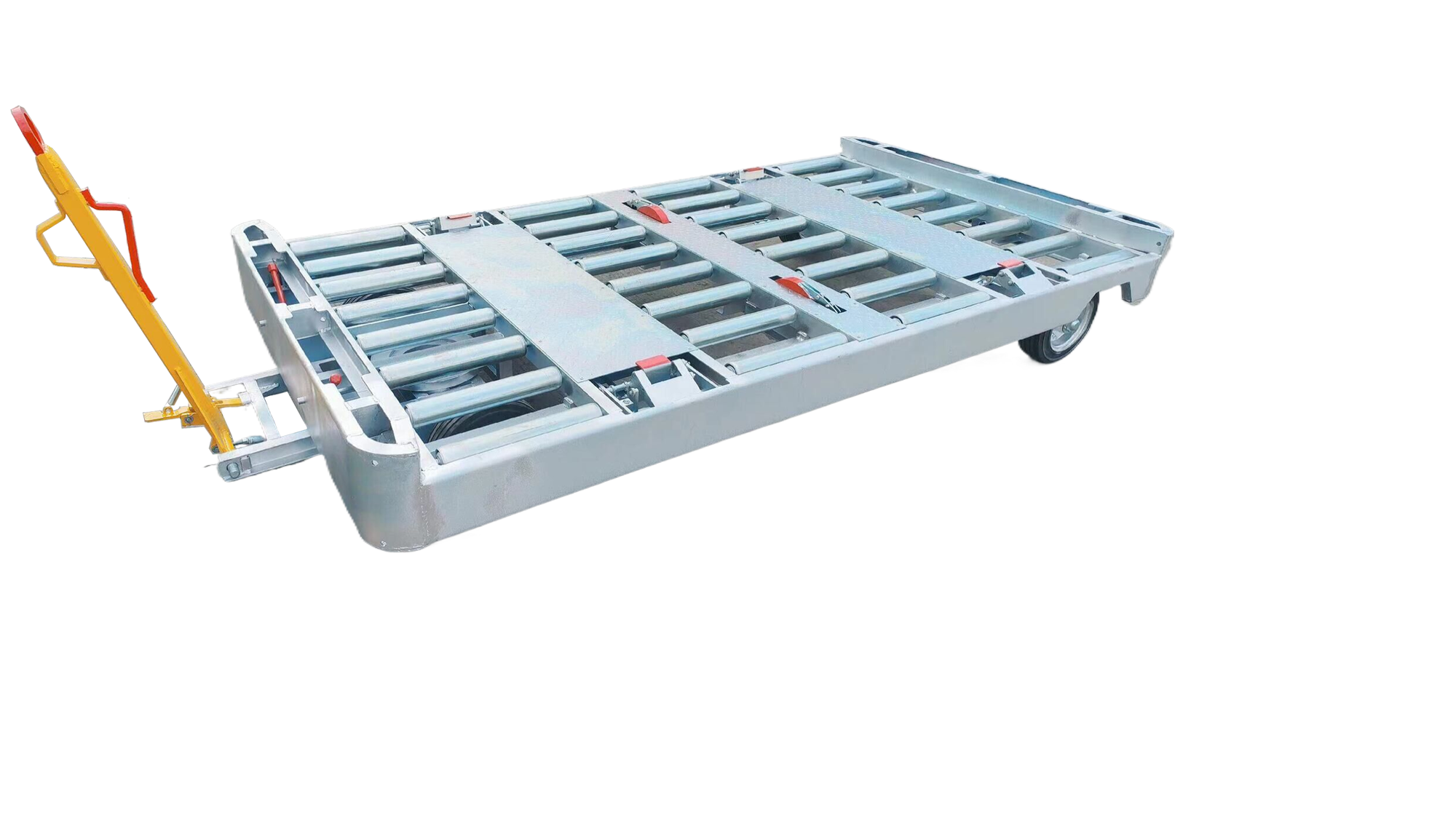
Maximizing warehouse efficiency is essential for modern logistics, and the 7T Pallet Dolly stands out as a robust solution designed to address the challenges of pallet and container transportation. This innovative equipment features fixed guide plates and three sets of movable baffles, which ensure compatibility with a variety of pallets such as P6P, P1P, and PQA, as well as containers like LD1 and LD2. The inclusion of fall prevention mechanisms in the end baffles adds a layer of safety during operation, making it a reliable choice for demanding environments.
The design of the 7T Pallet Dolly not only emphasizes safety but also enhances maneuverability. With designated fork parking spaces on both sides, it allows for efficient towing by forklift trucks, streamlining the loading and unloading processes. Its technical specifications, including a loading capacity of 7000 kg and a maximum speed of 25 km/h, further highlight its capabilities in navigating busy warehouse settings. The combination of a generous turning angle and a tight turning radius makes it suitable for various layouts, ensuring that transportation tasks can be completed swiftly and effectively, all while adhering to operational safety standards.
FAQS
: Euro container dollies are commonly made from durable plastics, metal, or a combination of both. Plastic dollies are usually lightweight and resistant to corrosion, while metal dollies provide enhanced strength and stability suitable for heavy loads.
It’s important to consider the load capacity of the dolly in relation to your intended use. A plastic dolly may be adequate for lighter items, but for heavier or bulkier goods, a metal dolly would be preferable.
Look for features such as reinforced corners and wheels designed for smooth maneuverability. Additional protective coatings can also enhance durability, especially in industrial settings.
Assess how often and under what conditions you will be using the dolly. This will help determine the necessary sturdiness and resilience required for your specific usage.
User reviews and ratings provide insights into how well a dolly performs over time in real-world conditions, helping you make informed decisions based on actual experiences.
Budgets should include not just the initial purchase price but also consider maintenance and operational costs. Investing in a high-quality dolly may have a higher initial cost, but it can lead to long-term savings due to its durability.
A well-made dolly, with proper maintenance, can have a lifespan of up to 10 years, whereas cheaper options may need replacing every couple of years.
Price variation can be attributed to specifications, functionality, materials used, weight capacity, ergonomic designs, and additional features. Average costs typically range from $100 to $500.
The total cost of ownership includes the initial purchase price as well as maintenance and replacement costs over time, allowing businesses to make more informed decisions that align with their budgets.
Ergonomic designs can enhance user comfort and efficiency, particularly in environments where the dolly is used frequently or for extended periods.
Conclusion
Choosing the right Euro Container Dolly is essential for efficient storage and transportation of goods. To make an informed decision, it's important to understand the various features of Euro Container Dollies, including sizes, load capacities, and the materials used in their construction. Evaluating your specific storage and transportation needs is crucial, as this will guide you in selecting a dolly that meets your requirements.
Additionally, considering the wheels and maneuverability of a Euro Container Dolly can significantly impact your operational efficiency. Budget considerations will also play a vital role in your choice, so it’s prudent to compare prices while keeping maintenance and care in mind. By thoroughly assessing these factors, you can select the most suitable Euro Container Dolly for your needs, ensuring that it provides both functionality and durability in your workspace.

 Products


