Technology’s rapid evolution has really shaken up a lot of industries, and aviation's no exception. One of the biggest game-changers has been the adoption of GPU technology, which is now becoming a crucial part of running smoother airports. Bringing GPUs into the mix doesn’t just make things a little easier—it actually boosts efficiency, safety, and the overall passenger experience. By tapping into the massive computational power of graphics processing units, airports can analyze tons of data in real-time. That means better decision-making and smarter use of resources, all on the fly.

If you look into what GPU tech can do, it’s pretty clear how it’s set to totally transform airport management—think smarter traffic flow, quicker baggage handling, and even predictive maintenance to catch issues before they become big problems. The ability to use advanced analytics and machine learning gives airports a kind of superpower—they can predict challenges and solve them before they even happen. That’s not just about saving money; it’s also about making the whole operation more resilient. Oh, and it definitely makes a difference for travelers too—faster check-ins, shorter lines, and improved safety measures all thanks to this tech.
As the aviation industry bounces back and keeps growing after the pandemic, jumping on the GPU airport train isn’t just a nice-to-have anymore; it’s pretty much a must. Investing in this cutting-edge tech puts airports ahead of the curve, helping attract more travelers and build a more sustainable future. In this article, we’ll dive into how GPU tech is changing the game in airport operations and what it means for creating a more efficient, passenger-friendly world.
Revolutionizing Airport Efficiency Through GPU-Driven Data Processing
The integration of GPU technology into airport operations is poised to transform efficiency through enhanced data processing capabilities. By leveraging the parallel computing power of GPUs, airports can process vast amounts of data in real-time, enabling more informed decision-making and streamlined operations. This advancement aligns with the broader trend of adopting emerging technologies, such as AI and automation, which aim to improve passenger experience and operational efficiency.
In 2025 and beyond, the airport landscape will see a surge in AI-driven solutions that utilize GPUs for everything from predictive analytics in flight scheduling to automated security checks. The anticipated growth of the airport robots market, driven by a 14.4% CAGR, underscores the importance of this technology. As autonomous systems become integral to airport operations, the role of GPUs will be critical in supporting these innovations, ultimately leading to a more efficient and responsive airport ecosystem.
Optimizing Flight Operations with Real-Time GPU Analytics
The integration of GPU technology in airport operations is revolutionizing the way airlines handle flight operations. By utilizing real-time GPU analytics, airports can optimize decision-making processes, significantly improving efficiency and reducing operational costs. According to industry reports, leveraging GPU-powered analytics can result in a 25% reduction in delays and a 30% decrease in fuel consumption for airlines, contributing favorably to both operational effectiveness and environmental sustainability.
In line with national directives like the blue sky initiative, airlines are increasingly adopting technologies that support eco-friendly operations. The demand for high-performance computing to process large volumes of data efficiently is growing. Companies like ours, dedicated to providing aviation ground equipment and innovative solutions, play a crucial role in this transition. Our commitment to technological innovation ensures that we remain at the forefront of enhancing airport operations, assisting airlines in complying with environmental regulations while maintaining high service standards. Embracing GPU technology not only drives operational excellence but also aligns with the overarching goal of achieving sustainable aviation practices.
Exploring the Benefits of GPU Technology for Enhanced Airport Operations
| Dimension |
Description |
Impact |
Example Metrics |
| Flight Delay Prediction |
Using GPU to analyze real-time data for predicting potential delays. |
Reduction in average delay times |
Average delay reduced by 15% over 6 months |
| Baggage Handling Optimization |
Leveraging GPU computation to enhance baggage tracking and routing. |
Improved baggage delivery times |
90% of bags delivered within 20 minutes after landing |
| Security Screening Enhancement |
Utilizing GPU acceleration for faster processing of security checks. |
Reduced wait times at security checkpoints |
Average wait time decreased to 5 minutes |
| Flight Operations Monitoring |
Real-time analytics for monitoring flight statuses and weather conditions. |
Enhanced decision-making capabilities |
Increased situational awareness by 25% |
| Customer Experience Improvement |
Implementing personalized services based on passenger data analytics. |
Higher passenger satisfaction scores |
Customer satisfaction rating improved to 85% |
Enhancing Passenger Experience with AI-Powered GPU Applications
The rapid advancement of GPU technology has opened new avenues for enhancing passenger experiences at airports. AI-powered applications, driven by the computational prowess of GPUs, can significantly streamline airport operations, from check-in procedures to baggage handling. By utilizing real-time data analysis, airlines are now able to predict peak travel times, manage queues more effectively, and allocate resources efficiently, thereby minimizing wait times for passengers.
Moreover, the integration of AI-driven chatbots and virtual assistants enhances the passenger journey, providing instant support and answers to inquiries. These systems can leverage facial recognition technologies to facilitate seamless boarding processes and improve security measures without compromising on convenience. As a result, travelers experience a more personalized and efficient airport environment, reflecting a crucial shift towards digitization in the aviation sector powered by GPU technology.
Reducing Wait Times Using GPU-Based Simulation Techniques
With the increasing number of global air travelers, airports are under pressure to improve efficiency and enhance passenger experiences. One promising solution lies in GPU-based simulation techniques. According to a report by the International Air Transport Association (IATA), the global air traffic is expected to reach 8.2 billion passengers by 2037. This surge highlights the urgent need for improved operational efficiency, where GPU technology can play a vital role.
By utilizing powerful GPUs, airports can create detailed simulations of passenger flow and resource allocation. These simulations help identify bottlenecks in check-in, security screening, and boarding processes, ultimately leading to reduced wait times. A study published by the Airports Council International (ACI) found that optimizing passenger processing can lead to a reduction of wait times by up to 30%. This not only enhances traveler satisfaction but also increases the overall throughput of airport operations.
Tips: Consider investing in software that leverages GPU technology to run real-time simulations during peak travel seasons. Additionally, regular training for airport staff on utilizing these tools can help maximize efficiency gains. Finally, collaboration with tech firms specializing in simulation can provide airports with tailored solutions that address their unique operational challenges.
Boosting Security Measures with Advanced GPU Image Processing
The integration of advanced GPU technology in
airport operations significantly enhances security measures through cutting-edge image processing capabilities.
According to a report by the International Air Transport Association (IATA), the aviation industry is projected
to invest over $2.1 billion in security
technologies by 2025, with a significant portion allocated to GPU-driven solutions. These technologies allow
for real-time analytics of high-resolution imagery, enabling security teams to detect potential threats with
greater accuracy and speed.
Advanced GPU image processing can handle complex algorithms that analyze visual data from various sources,
such as surveillance cameras and X-ray baggage scanners. A study by the Transportation Security Administration
(TSA) found that the use of deep learning algorithms, powered by GPUs, could reduce false alarm rates in
threat detection systems by up to
30%. This not only
improves security outcomes but also enhances the passenger experience by expediting the screening process,
ultimately leading to a smoother flow of travelers through airports. As both operational efficiency and security
become increasingly paramount, the adoption of GPU technology represents a pivotal step forward in safeguarding
airport environments.
Integrating GPU Technology for Seamless Airport Management Systems
The integration of GPU technology into airport management systems presents a transformative opportunity for enhancing operational efficiency and user experience. By leveraging the parallel processing capabilities of GPUs, airports can improve real-time data analytics, enabling quicker decision-making in areas such as flight scheduling, baggage handling, and security checks. This technology allows for the simultaneous processing of vast amounts of data from various sources, streamlining operations and reducing delays.
Incorporating GPU technology also enhances the predictive capabilities of airport systems. For instance, advanced machine learning algorithms powered by GPUs can analyze historical flight data and real-time inputs to predict potential bottlenecks, passenger flow, and equipment failures. This foresight enables airport management to allocate resources more effectively, ensure optimal staffing levels, and enhance customer satisfaction by minimizing wait times.
Ultimately, the seamless integration of GPU technology into airport operations signals a significant advancement in the way airports can manage their resources and provide a smoother travel experience for passengers.
Conclusion
The article "Exploring the Benefits of GPU Technology for Enhanced Airport Operations" highlights the transformative potential of GPU technology in modernizing airport functionalities. By leveraging GPU-driven data processing, airports can significantly enhance operational efficiency, optimize flight operations with real-time analytics, and improve passenger experiences through AI-powered applications. Moreover, GPU-based simulation techniques can effectively reduce wait times, while advanced GPU image processing enhances security measures, ensuring safer travel environments.
These innovations align with Shanghai Chidge Industries Co., Ltd.'s commitment to technological advancement and quality assurance in aviation ground equipment. The integration of GPU technology in airport management systems promises a seamless operational workflow, ultimately benefiting airlines, airports, and logistics firms alike. As the industry moves towards adopting "GPU airports," it paves the way for a more efficient and enhanced travel experience.

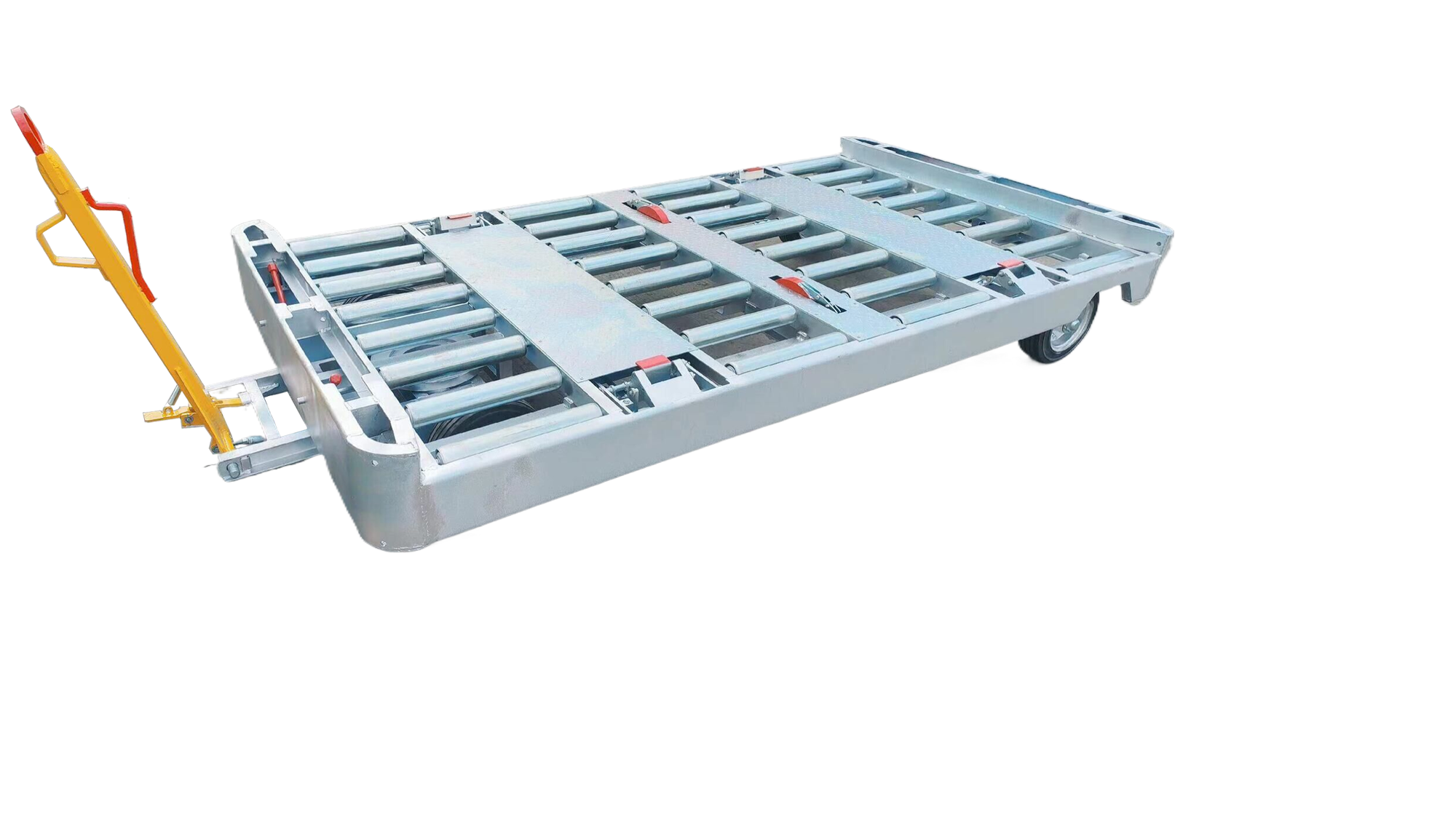 Products


